
How Brian Ceci’s documentary “Heard” explores hearing identity and belonging
In this Happy Hearing Podcast companion article, co-host Carly Sygrove shares the biggest insights, memorable moments, and practical takeaways from her conversation with filmmaker Brian Ceci.

The 3 key takeaways
Happy Hearing recap: Episode 28
How childhood bullying changed Brian's relationship with hearing aids
Rediscovering sound through hearing aids
Challenging the stigma around hearing loss
Accepting hearing loss and redefining disability
Finding clarity through filmmaking
Deaf Gain and Deaf Joy
Connecting with others through Heard
Building community through Heard
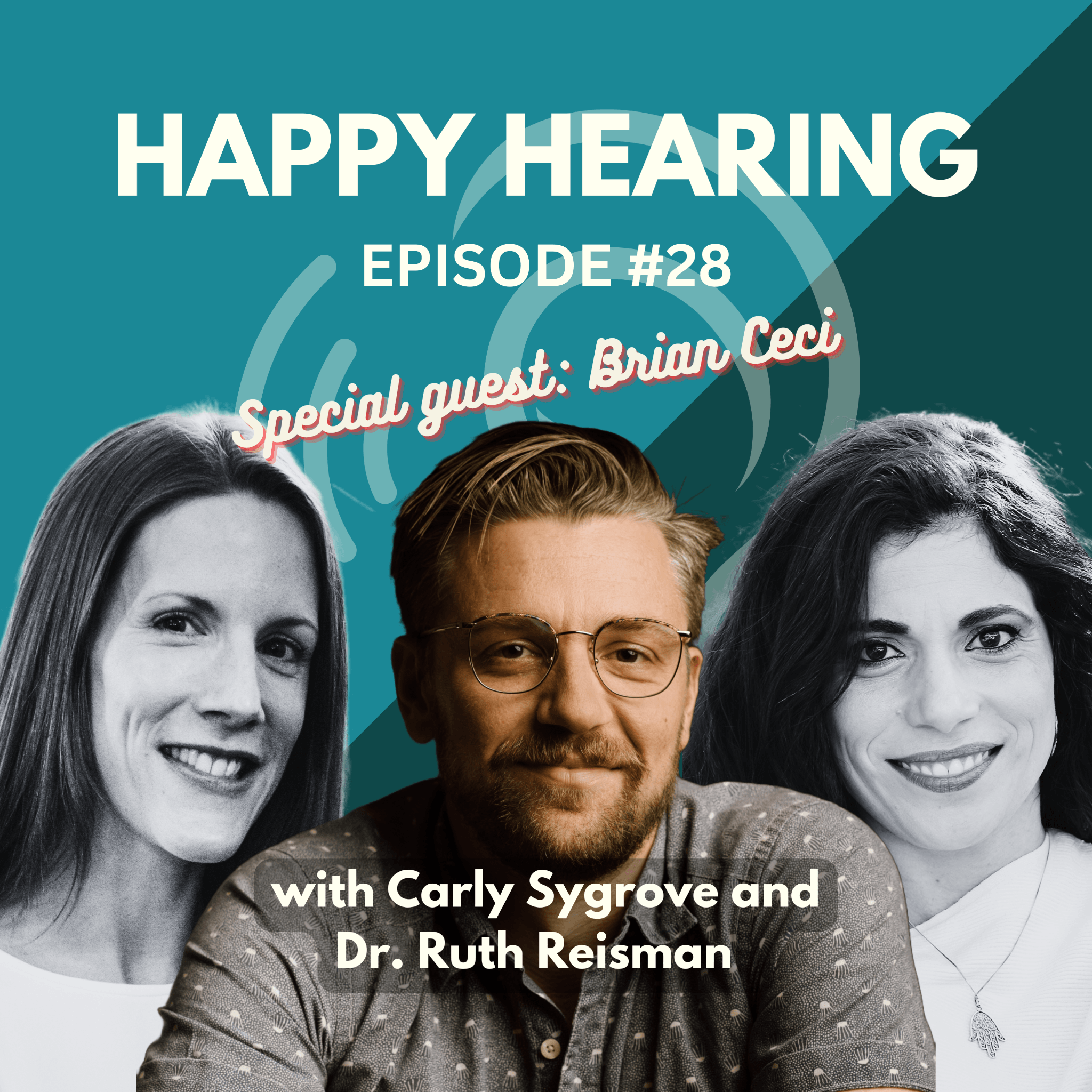
Episode 28
How Brian Ceci’s documentary Heard explores hearing identity and belonging
▶ Watch on YouTube
🎧 Listen on Spotify
🍎 Apple Podcasts
────────────────────────────
About this series
As part of our partnership with the Happy Hearing Podcast, audiologists.org shares highlights and key takeaways from selected episodes featuring experts, advocates, and people with lived experience of hearing loss.
Learn more about the Happy Hearing Podcast →
Meet today’s guest
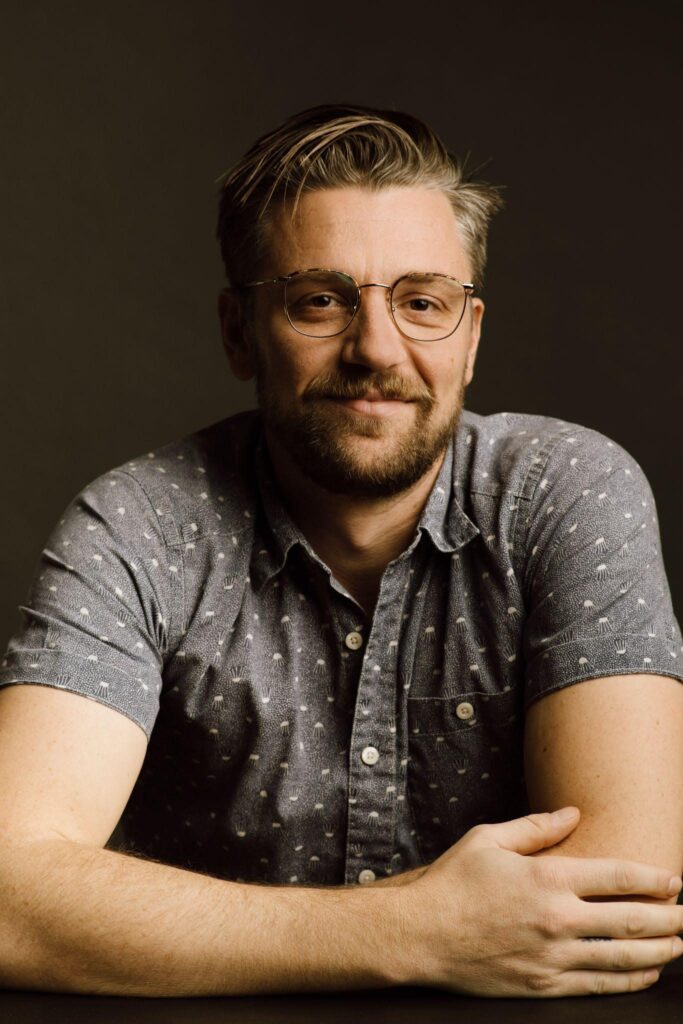
Brian Ceci is a filmmaker and cinematographer who was born with moderate to severe hearing loss. In Episode 28 of the Happy Hearing Podcast, he discusses the inspiration behind his documentary Heard, sharing how his own journey shaped the film’s exploration of hearing identity, stigma, belonging, and life between the hearing and Deaf worlds.
The 3 key takeaways
- Hearing identity is deeply personal — Brian Ceci’s story shows that the hard-of-hearing experience exists on a spectrum and doesn’t always fit neatly into traditional labels.
- Personal stories can change perceptions — Through Heard, Brian uses lived experience to challenge stigma and encourage more open conversations about hearing loss.
- Representation helps people feel seen — Seeing diverse hearing loss experiences reflected on screen can foster connection, validation, and a stronger sense of belonging.
Happy Hearing recap: Episode 28
Brian steps in front of the camera to share his own story of growing up with hearing loss for episode 28 of Happy Hearing Podcast. He reflects on how bullying led him to stop wearing hearing aids as a teenager, how he rediscovered hearing technology as an adult, and how that journey inspired his documentary, Heard.
Together, we discuss hearing identity, stigma, acceptance, d/Deaf Gain, d/Deaf Joy, and the experience of living between the hearing and Deaf worlds.
We also discuss the making of Heard, the stories behind the documentary, and why representation and community matter.
🎬 Watch the trailer for Heard:
How childhood bullying changed Brian’s relationship with hearing aids
Brian was born with moderate to severe sensorineural hearing loss and wore hearing aids until he was 13. After experiencing regular bullying at school, he began taking out his hearing aids and putting them in his pocket before class in an effort to blend in with his peers, despite his mother’s attempts to encourage him to keep wearing them.
Looking back, Brian says his grades declined, and his mother remembers him becoming quieter and fading into the background.
“It wasn’t a great time,” he reflects.
Rediscovering sound through hearing aids
It wasn’t until his late 20s, during the early stages of his career as a cinematographer, that Brian decided to start wearing hearing aids again. That decision eventually inspired his documentary, Heard.
As he stepped outside the audiology clinic wearing his hearing aids, he was struck by sounds he had long forgotten—car tires on the road, birds singing, and the constant hum of traffic.
“I forgot that these sounds existed,” he says.
Challenging the stigma around hearing loss
Reflecting on his experience, Brian believes the stigma surrounding hearing aids played a major role in his decision to stop wearing them as a teenager.
“When you speak to people about it, they generally think it’s for older people,” he says “There’s a lot of stigma around it, just because of the way the devices look.”
Today, he believes new tech, such as AirPods, is helping to normalize wearing devices in your ears. He recalls a passerby recently asking where he bought his “earbuds,” not realizing they were actually hearing aids.
Accepting hearing loss and redefining disability
Brian views therapy as key to accepting and moving forward with hearing loss. He reflects on how his hearing loss has shaped his early experiences and the choices he’s made in life.
“There’s work to be done on the mask that I wear,” he comments in his documentary.
He realized he had always associated disability with physical mobility, linking it to things like being able to walk and run. For Brian, hearing loss didn’t seem to fit within his understanding of the word “disabled.”
In the United States, hearing loss may be considered a disability under the Americans with Disabilities Act (ADA) if it substantially limits hearing, even when a person uses hearing aids or other assistive devices. However, this legal definition doesn’t necessarily reflect how individuals identify themselves or describe their hearing loss.
Brian says he has now become more comfortable describing himself as a disabled person. However, he also discusses the different labels used around hearing loss, such as “hard of hearing” and “hearing impaired,” recognizing that the language people use to describe themselves is deeply personal.
While hearing loss may legally qualify as a disability under the ADA, not everyone with hearing loss chooses to identify that way. Brian’s reflections highlight a broader theme in hearing identity: many people feel caught between different worlds and labels, and the language they use to describe themselves can shape that experience.
Finding clarity through filmmaking
Putting the documentary Heard together was an emotional and therapeutic experience for Brian. Making the film helped him recognize his visual learning style and better understand how much his hearing loss had shaped his life, even during periods when it wasn’t his primary focus.
Deaf Gain and Deaf Joy
I learned a new term in this episode: Deaf Joy. I was already familiar with Deaf Gain, which describes the positive aspects of being Deaf or having hearing loss, rather than focusing only on loss or limitation. It made me think about the ways hearing loss can also open up different perspectives and experiences.
Brian explains that Deaf Joy is the feeling of realizing, “I’m really happy I have this,” referring to hearing loss. He recalls experiencing Deaf Joy while camping in Namibia on a work project. His crew was struggling to sleep through the loud, pulsing sound of crickets. Everyone was saying, “This is unbelievable, how am I ever going to sleep with this?” Brian felt the same frustration at first.
But when he got into bed and took his hearing aids out, everything went quiet.
“And then they’re just gone. I can’t hear anything.”
In that moment, he found a sense of Deaf Joy—appreciating the silence—and says he slept like a baby.
Connecting with others through Heard
“I think it’s huge to find other people that also have hearing loss so you can share your experiences and realize you’re not the only one carrying this burden,” says Brian.
Brian distinguishes Heard from films such as Sound of Metal, which focus primarily on Deaf culture, including sign language and community. While he found those stories meaningful, they didn’t fully reflect his own experience. Through Heard, he wanted to tell a broader range of stories from across the hard-of-hearing spectrum.
Brian’s message is clear: there is no single hearing loss journey. Experiences can vary widely depending on the type of hearing loss, communication preferences, and personal identity.
While making Heard, Brian spoke with people who have bilateral hearing loss, unilateral hearing loss, and cochlear implants. After the first two screenings, he received roughly 200 messages from viewers who said the film helped them better understand their own hearing loss or the experiences of a loved one.
More than anything, Brian hopes Heard helps people feel they belong to a community. He especially wanted to connect with those who don’t fully identify with either the Deaf world or the hearing world, but instead see themselves somewhere in between.
Building community through Heard
“I just want people to come to a space and watch the film and then talk about it,” says Brian.
Rather than focusing solely on online screenings, Brian hopes to create opportunities for people to connect in person. Heard is currently being screened across Canada, with plans to expand to cities throughout the United States and, eventually, the United Kingdom. He is also seeking partners who want to host community screenings and conversations around the film.
Heard reminds us that hearing loss is never one-size-fits-all. By sharing diverse stories from across the hard-of-hearing spectrum, the film encourages more open conversations about identity, acceptance, and belonging—and helps more people feel seen along the way.
────────────────────────
Learn more about Brian Ceci and Heard:
Heard website: https://heard-film.com/
Watch this episode on YouTube: Happy Hearing Podcast Episode #28
The 3 key takeaways
Happy Hearing recap: Episode 28
How childhood bullying changed Brian's relationship with hearing aids
Rediscovering sound through hearing aids
Challenging the stigma around hearing loss
Accepting hearing loss and redefining disability
Finding clarity through filmmaking
Deaf Gain and Deaf Joy
Connecting with others through Heard
Building community through Heard

