
At audiologists.org, every hearing aid review is based on a structured, hands-on evaluation process designed to reflect how devices perform in everyday life. Our methodology explains how we test hearing aids, how products are evaluated, and how expert audiologist oversight informs our recommendations. Our goal is to help readers understand not just what a hearing aid offers, but how it actually works in real-world situations.
Our priority is ensuring our readers are able to make informed, confident decisions about hearing care. That’s why our hearing aid review methodology combines the following elements:
- Standardized, experience-based testing to ensure consistency across reviews, including a minimum two-week wear period for every device across varied listening environments
- Documented reviewer observations drawn from hands-on experience, not specifications alone
- Reviews conducted and evaluated by licensed audiologists to ensure accuracy, safety, and clinical relevance
Our Review Framework at a Glance
Each hearing aid is evaluated using a standardized internal review form completed by a licensed audiologist. This ensures consistency across reviews while allowing room for real-world, experience-driven insight.
Our review process includes the following steps:
- Product intake and specification review
- Hands-on use over time
- Testing across defined listening environments
- Evaluation of comfort, usability, and app experience
- Licensed audiologist review
How We Test Hearing Aids
Unlike reviews that rely only on specifications or lab measurements, our hearing aid reviews are grounded in observed, real-world use.
Real-World Wear and Use
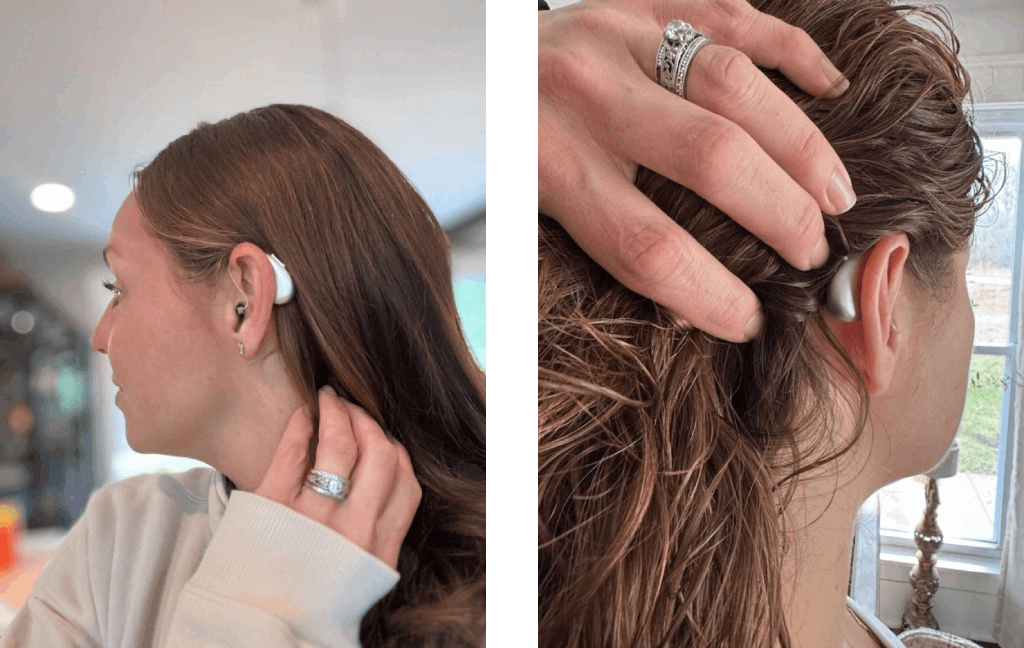
Reviewers wear and use each hearing aid for a minimum of two weeks across a variety of listening environments and evaluate performance during common daily activities. This allows us to assess consistency, comfort, and usability beyond first impressions, including whether devices cause irritation, discomfort, or listening fatigue over time.
Listening Environments Tested
Devices are tested across a defined set of everyday scenarios, including:
- Quiet environments
- One-on-one conversations
- Group conversations
- Restaurants or cafés
- Outdoor settings
- Phone calls and audio streaming
Testing in these environments helps us understand how well devices adapt to real listening demands, especially speech clarity and background-noise management.
Reviewed by Audiologists
Licensed audiologist conducts each hearing aid test and reviews all content to ensure clinical accuracy, appropriateness, and alignment with best practices in hearing care. This oversight helps account for differences in hearing-loss severity, individual user needs, and safety considerations when evaluating hearing aids.
Our Board of Audiologists

Dr. Rosette Ruth Reisman
Dr. Reisman is a licensed audiologist with over a decade of experience across multiple sectors. She supports the field by training audiologists in counseling, fitting, and rehabilitation of hearing implants, teaching at the university level, and assessing and rehabilitating auditory processing disorders—especially in individuals with ADHD and other comorbidities.

Dr. Jessica Hinson
Jessica Hinson, Au.D. earned her Doctorate of Audiology degree from the University of South Alabama. She is licensed in Alabama where she specializes in technical and fitting support for hearing aids across commercial, retail, and governmental channels. She also enjoys the testing and treatment of balance disorders and conducting auditory electrophysiology.

Dr. Danielle Morgan
Dr. Morgan graduated from the University of Massachusetts Amherst and works in a large Maine healthcare system. She treats patients of all ages. In her free time, she enjoys traveling, baking, trying new restaurants, and spending time with her husband, cat, and three dogs.
Editorial Integrity
audiologists.org maintains full editorial independence. Some links on our site may earn us a commission, but affiliate relationships do not influence our reviews or recommendations. Hearing aids are either purchased directly by our team or provided as review units without editorial input or ranking influence. Manufacturers do not control or influence our testing process, conclusions, or content. Our priority is providing accurate, experience-based information that serves readers first.
Why Our Methodology Matters
Hearing aids are medical devices that affect communication, safety, and quality of life.
This approach ensures that every recommendation is:
- Grounded in real-world use
- Evaluated consistently across devices
- Reviewed by licensed professionals
- Presented transparently, without manufacturer influence
This approach helps readers understand not just which hearing aids we recommend — but why.