
A guide to auditory processing disorder
Learn why you may hear sounds clearly but still struggle to understand speech, including the symptoms, causes, testing, and treatment of APD in adults and children.


What is auditory processing disorder?
Types of auditory processing disorder
Why APD is often mistaken for hearing loss
Symptoms of auditory processing disorder
Auditory processing disorder in adults
How do audiologists diagnose APD?
APD vs. hearing loss
Conditions that can mimic APD
Treatment options for APD
When should adults consider an APD evaluation?
Living well with APD
The 3 key takeaways
- Auditory processing disorder affects how the brain interprets sound — You may hear someone speaking but still have trouble understanding the words, especially in noisy environments.
- APD can affect adults as well as children — Some people have lifelong difficulties, while others develop auditory processing problems after neurologic injury or with age-related changes.
- APD is different from hearing loss, but the two can coexist — A hearing test may be normal in someone with APD because the difficulty involves how the brain processes sound, not simply how well the ears detect it.
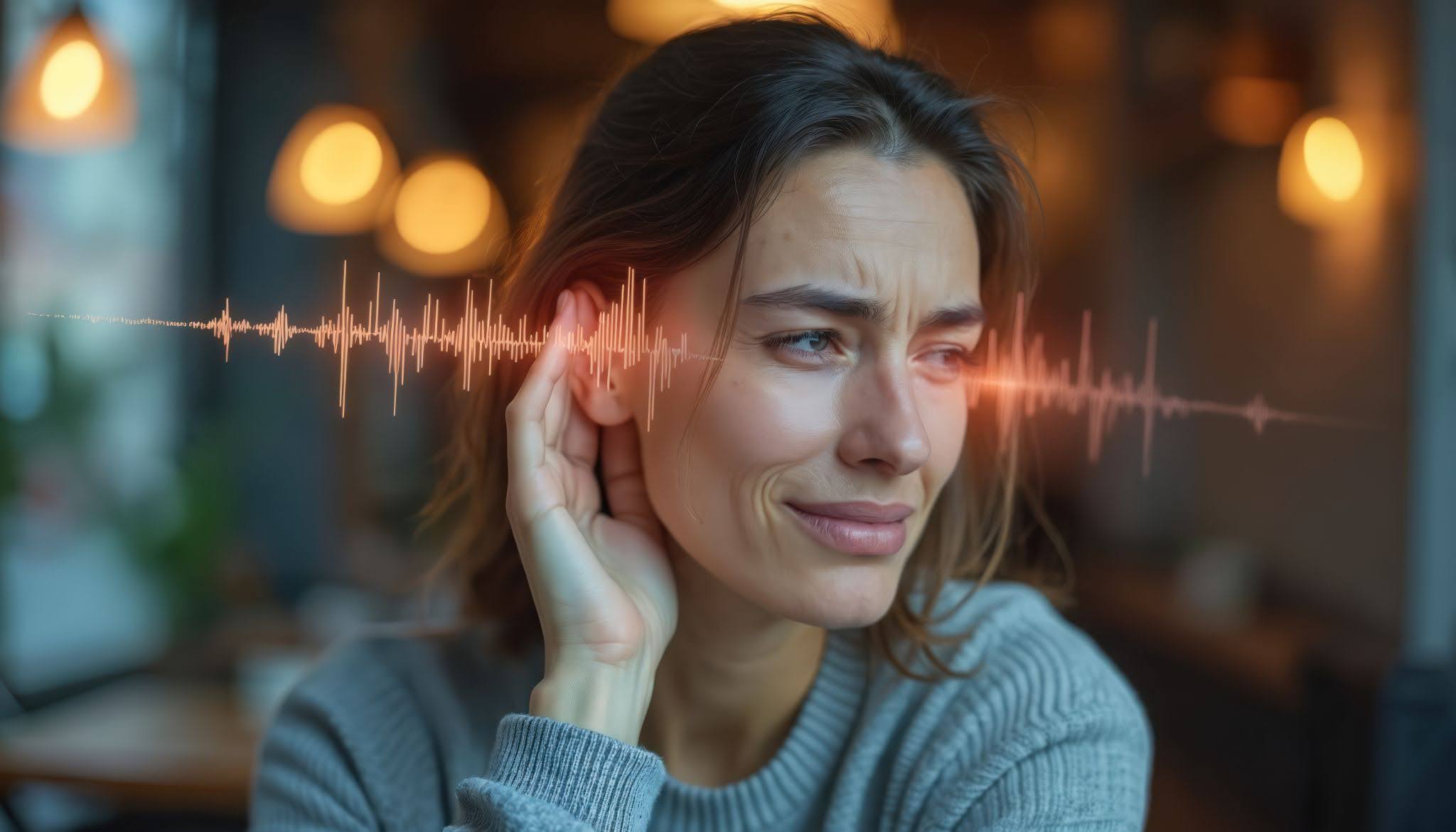
If you frequently think, “I can hear people talking, but I can’t understand what they’re saying,” hearing loss may not be the only explanation. Auditory processing disorder (APD) affects how the brain interprets auditory information. A person may detect sounds normally yet struggle to make sense of speech, particularly when people talk quickly or there is competing background noise.
APD, also called central auditory processing disorder (CAPD), can affect children and adults. Some adults have had processing difficulties since childhood, while others develop them after a neurologic event or as auditory processing becomes less efficient with age. APD can also occur alongside hearing loss.
“Most APD cases are children, not because more children have APD than adults, but because it is often discovered with learning difficulty in school,” says audiologist Dr. Jessica Hinson. “In these cases, APD symptoms followed by a normal hearing test would trigger the referral to an APD specialist for evaluation.”
Because hearing loss, attention disorders, language disorders, and cognitive changes can cause similar complaints, persistent listening difficulties should be evaluated rather than self-diagnosed. An audiologist can first assess hearing and then determine whether a central auditory processing evaluation or referral to another specialist is appropriate.
What is auditory processing disorder?
Auditory processing disorder (APD), also called central auditory processing disorder (CAPD), affects how the brain processes and makes sense of sounds. The American Speech-Language-Hearing Association (ASHA) uses the term CAPD to describe difficulties with the brain’s neural processing of auditory information.
One simple way to think about it is that your ears act like microphones, picking up sound, while your brain acts as the interpreter, making sense of what you hear. With APD, the difficulty is primarily with how the brain processes auditory information rather than how well the ears detect sound.
APD can occur even when a person has normal hearing, but it can also occur alongside hearing loss. This distinction can be especially important in older adults, who may experience both age-related hearing loss and changes in auditory processing. Other conditions, including ADHD and autism, can also affect how a person understands what they hear and may occur alongside APD, but they are not the same condition.
Types of auditory processing disorder
There are different types of auditory processing disorder, depending on which auditory processing skills are affected. One way audiologists categorize these difficulties is using the Buffalo Model, which Dr. Hinson says is commonly used to guide APD evaluation and treatment. Its subtypes include:
- Decoding. People with decoding difficulties may have trouble distinguishing between similar-sounding words, particularly when there is background noise. For example, they might hear “debt” instead of “desk” or “sharp” instead of “shark.”
- Integration. This can make it difficult to process information from more than one source at the same time, such as listening to a lecture while taking notes. Dr. Hinson notes that this subtype varies widely and may contribute to academic difficulties, with some symptoms overlapping with dyslexia.
- Organization. People with this subtype may have trouble processing auditory information in the correct order. This can make it difficult to follow multistep instructions or summarize something they have heard in the expected order.
- Tolerance-fading memory. This subtype affects short-term auditory memory, making it difficult to remember spoken information, particularly during longer conversations or in noisy environments.
Another framework, the Bellis-Ferre Model, describes prosodic deficits, or difficulty recognizing social and emotional cues in speech, such as changes in tone and implied meaning. People with these difficulties may speak in a monotone voice, and Dr. Hinson notes that some symptoms can overlap with those seen in autism.
APD can also be categorized by how it develops
- Developmental APD begins during childhood and may continue into adulthood. It can also coexist with developmental or learning disorders.
- Acquired APD develops after an event or condition affecting the brain or central auditory system, such as a traumatic brain injury, brain lesion, stroke, or age-related changes.
- Secondary APD occurs alongside hearing loss or another hearing impairment and may need to be addressed as part of the person’s overall hearing care.
From our audiologist: Why APD is often mistaken for hearing loss
Audiologist Dr. Jessica Hinson explains:
“People with APD may report hearing a person talking, but not being able to understand, recall, or summarize the information they were just given. This can trigger the desire for a hearing test.”
However, she says these hearing tests often come back normal in people with APD because they measure how well the ears detect and send sounds to the brain, not how the brain processes that information.
Auditory processing tests, on the other hand, evaluate how the brain processes sound.
“These tests individually assess each processing skill needed for successful reception and retention of auditory input,” says Dr. Hinson. “Speech-in-noise tests can evaluate how well the brain pulls important information from competing signals, temporal patterning tests examine the brain’s ability to recognize a change in tone and order of stimuli, and binaural tests tell us how each hemisphere of your brain is working together to process incoming signals correctly. Putting all of the pieces together can help not only diagnose APD, but assist in creating a successful treatment plan.”
Symptoms of auditory processing disorder
APD symptoms vary from person to person and can overlap with several other conditions. In adults, complaints often center on understanding speech in difficult listening environments. Children may be perceived by family members or teachers as “poor listeners” or as ignoring instructions.
Common symptoms can include:
Difficulty understanding speech
- Mishearing similar-sounding words or phrases, which can change the meaning of a conversation.
- Difficulty understanding speech in background noise, such as in restaurants, meetings, classrooms, family gatherings, or busy public spaces.
- Trouble following rapid speech, group conversations, phone calls, or television dialogue.
- Frequently asking people to repeat themselves, even when speech is loud enough to hear.
- Understanding speech more easily in quiet environments than in places with competing sounds.
Difficulty processing spoken information
- Trouble following spoken instructions, particularly those with multiple steps.
- Taking longer to process and respond to spoken information.
- Difficulty remembering verbal information, such as directions, names, or details from a conversation.
- Difficulty identifying where a sound is coming from.
- Difficulty interpreting changes in tone, emphasis, or other features of speech.
Listening effort and fatigue
Processing speech when other sounds are competing for your attention can require significant concentration. Some people with APD may:
- Feel overwhelmed or have difficulty concentrating in noisy environments.
- Feel mentally tired after prolonged listening, such as during meetings, classes, phone calls, or social gatherings.
- Avoid conversations or environments that require significant listening effort.
These symptoms alone don’t mean someone has APD. Hearing loss, ADHD, autism, language disorders, and other conditions can cause similar difficulties or occur alongside APD. An evaluation is needed to determine what’s contributing to a person’s listening difficulties.
Auditory processing disorder in adults
Adults may have APD that began in childhood but was never identified, or they may develop acquired APD later in life. In older adults, it can be especially difficult to separate central auditory changes from age-related hearing loss and cognitive changes, so a comprehensive hearing evaluation matters.
APD can develop after conditions or events that affect the central auditory nervous system, including stroke and traumatic brain injury. Neurologic diseases, lesions, and age-related central auditory changes may also affect auditory processing.
Why does APD become more noticeable with age?
Understanding speech can become more difficult when people talk quickly, multiple voices compete, or there is significant background noise. Age-related changes in central auditory pathways and processing speed may make these situations harder. At the same time, age-related hearing loss is common and can further increase listening effort or mask an underlying processing problem.
This is one reason an older adult may say that “everyone mumbles” even when a basic hearing test does not fully explain the difficulty. A comprehensive evaluation can help determine whether the difficulty is related to hearing loss, auditory processing, or another factor.
Adults with APD may say:
- “I can hear people talking, but the words sound jumbled.”
- “I understand one-on-one conversation, but restaurants are exhausting.”
- “Phone calls are harder because I can’t see facial expressions or lip movements.”
- “TV dialogue is difficult even when the volume is loud enough.”
- “Fast talkers are hard to follow, and I need more time to process what was said.”
How do audiologists diagnose APD?
An audiologist will evaluate the peripheral and central auditory systems. Depending on the person’s symptoms, the evaluation may also involve a speech-language pathologist, psychologist, physician, or other specialist to rule out language, attention, or cognitive causes.
There is no single auditory processing disorder test that diagnoses every case. Instead, audiologists select tests based on the person’s age, hearing results, history, symptoms, and the auditory skills that need to be assessed.
The diagnostic process generally includes:
- Review symptoms and medical history – The audiologist will ask about the listening difficulties you’re experiencing, when they began, and how they affect everyday life. They may also review factors such as neurologic history, ear infections, medications, language background, attention or learning difficulties, and previous hearing or cognitive testing.
- Complete a comprehensive hearing evaluation – Before auditory processing testing, the audiologist checks for hearing loss and other ear-related problems that could contribute to the symptoms or affect test results.
- Complete individualized auditory processing tests – Testing may include speech-in-noise tasks, dichotic listening, temporal processing, auditory discrimination, and other measures selected based on the person’s symptoms and needs.
- Interpret the results and develop a treatment plan – Results are compared with age-appropriate norms and considered alongside the person’s real-world listening difficulties. If APD is diagnosed, the audiologist can recommend a personalized treatment plan based on the person’s specific processing difficulties and symptoms.
What is an auditory processing evaluation?
An auditory processing evaluation (APE) is typically a 3-hour process with multiple parts, though your audiologist may choose to break it up into multiple sessions to reduce fatigue, frustration, and distraction.
The evaluation consists of a variety of tests that assess different auditory processing skills. Throughout the evaluation, you may listen to different sounds, words, numbers, or sentences. These sounds may be presented to one or both ears, sometimes with competing speech or background noise.
The audiologist then interprets your performance across the different tests using a detailed scoring system. Dr. Hinson notes that some audiologists schedule a separate appointment to review the results and discuss treatment recommendations.
APD vs. hearing loss
APD and hearing loss can produce similar complaints, particularly difficulty understanding speech in noise. The difference is that hearing loss primarily reduces access to sound, while APD affects how auditory information is processed. A person can also have both conditions at the same time.
| Feature | Hearing loss | Auditory processing disorder |
|---|---|---|
| What feels difficult | Sounds may be too soft or unclear. | Sounds may be audible, but speech is hard to interpret or organize, especially in challenging settings. |
| Effect of volume | More volume may improve access to speech, depending on the type and degree of loss. | Louder speech is not always clearer if the main problem is processing. |
| Standard audiogram | Often shows reduced hearing sensitivity. | May be normal, although APD can coexist with hearing loss. |
| Common complaint | “I can’t hear what people are saying.” | “I can hear them, but it takes me longer to understand them.” |
| Typical management | Hearing aids, medical treatment when indicated, communication strategies, and assistive technology. | Individualized auditory training, environmental changes, communication strategies, and assistive listening technology; treat coexisting hearing loss when present. |
Conditions that can mimic APD
Symptoms such as mishearing speech, needing repetition, losing track of verbal information, or struggling in noise are not specific to APD. Differential diagnosis is important because the most effective treatment depends on what is causing the listening difficulty.
| Condition | Symptoms |
|---|---|
| Hearing loss | Reduced audibility can make speech sound incomplete or unclear, particularly in noise. |
| ADHD | Difficulty sustaining or directing attention can look like a listening problem even when auditory processing is intact; ADHD and APD may also coexist. |
| Mild cognitive impairment or dementia | Changes in memory, attention, processing speed, or language can affect how spoken information is understood and retained. |
| Aphasia | Language difficulties after stroke or other brain injury can affect understanding, naming, reading, or expression and may overlap with auditory complaints. |
| Language disorders | Difficulty understanding or using language can resemble auditory processing problems, particularly when tasks rely heavily on verbal material. |
A comprehensive evaluation helps determine whether the difficulty is primarily auditory, peripheral, linguistic, cognitive, attentional, or a combination.
Treatment options for APD
APD treatment is highly individualized and often team-based. An audiologist may guide auditory-specific management, while a speech-language pathologist may address language, listening, and compensatory skills when those areas are involved.
Factors such as the type of deficit, age, individual abilities, and access to care all determine what the treatment plan will look like.
Common treatment approaches include:
Auditory training
Auditory training uses structured listening exercises to target specific skills identified during testing, such as speech-in-noise understanding, auditory discrimination, temporal processing, or binaural listening. Programs may be clinician-led, computer-based, or combined with communication training. Because APD is heterogeneous, training should be individualized and monitored for real-world benefit.
Environmental modifications
Environmental changes can improve the clarity of the speech signal and reduce the amount of competing sound the brain has to sort through.
- Reduce competing background noise when possible, and move closer to the person who is speaking.
- Choose seating that provides a clear view of the speaker and avoids noisy doors, kitchens, fans, or other sound sources.
- Use written instructions, captions, meeting notes, or other visual supports to reinforce spoken information.
- Improve room acoustics when possible by reducing echo and reverberation.
If your child has been diagnosed with APD, it’s important to share the diagnosis and the audiologist’s recommendations with their school. Depending on your child’s needs and eligibility, you may also be able to request accommodations through a 504 plan or other school support plan.
Communication strategies
While a speech-language pathologist cannot diagnose APD, they can help strengthen some of the skills that are affected by the disorder.
Communication strategies help reduce the amount of auditory information a person has to reconstruct or remember.
- Face the speaker and ask them to get your attention before giving important information.
- Ask for a slower rate of speech or shorter chunks of information when needed.
- Repeat back key details to confirm understanding rather than simply saying “yes.”
- Request important instructions, names, dates, or action items in writing.
- Use captions for television and video calls when available.
Hearing aids and assistive listening technology
Hearing aids do not treat APD itself. However, many adults with auditory processing difficulties also have hearing loss, and improving audibility may reduce listening effort and improve access to speech. The benefit depends on the individual’s hearing and processing profile.
Remote microphone systems and noise-cancelling hearing aids can be particularly useful when distance and background noise are major problems because they can improve access to speech in challenging listening environments. Depending on the person’s devices and needs, options may include remote microphones, hearing-aid accessories, and TV streamers.
From our audiologist: When should adults consider an APD evaluation?
Dr. Hinson recommends considering an auditory processing evaluation when you have ongoing difficulty understanding or retaining spoken information despite having a normal hearing test. An evaluation may also be helpful if you have hearing loss but still struggle in challenging listening environments even with hearing aids.
“I would recommend seeking an audiologist who specializes in auditory processing as not all audiologists have access to the testing equipment and scoring documents needed for a proper evaluation,” says Dr. Hinson. “Trending treatment options include remote care at flexible hours for people who have difficulty taking time off work or traveling to appointments.”
Living well with APD
Auditory processing difficulties can affect conversations, work, school, relationships, and everyday activities. With an accurate diagnosis and individualized treatment plan, many people can reduce listening effort and communicate more effectively. If persistent listening difficulties are affecting your daily life, even if a previous hearing test was normal, consider making an appointment with an audiologist.
What is auditory processing disorder?
Types of auditory processing disorder
Why APD is often mistaken for hearing loss
Symptoms of auditory processing disorder
Auditory processing disorder in adults
How do audiologists diagnose APD?
APD vs. hearing loss
Conditions that can mimic APD
Treatment options for APD
When should adults consider an APD evaluation?
Living well with APD
Frequently asked questions
Is ADHD a form of auditory processing disorder?
No, ADHD is not an auditory processing disorder. These are two separate conditions. However, children with ADHD may also have APD.
What are the symptoms of APD?
APD can cause a range of listening and speech-understanding difficulties. Common symptoms include mishearing words or phrases, difficulty following conversations, misunderstanding verbal instructions, and difficulty remembering verbal stories, conversations, or directions.
Is there a difference between APD and CAPD?
Auditory processing disorders may also be referred to as central auditory processing disorders (CAPD). Technically, an APD involves a deficit in the central auditory nervous system, which is why it can also be called a CAPD.
Is auditory processing a learning disability?
An auditory processing disorder is classified by law as a “specific learning disability,” which allows children under the Individual with Disabilities Education Act (IDEA) to receive services and accommodations.
Can hearing aids help APD?
Hearing aids do not treat APD itself. They may help when hearing loss is also present by improving access to speech. Some people also benefit from remote microphones or other assistive listening technology that improves the signal-to-noise ratio.
Can APD get worse with age?
Auditory processing can become more difficult with age, but worsening symptoms are not specific to APD. Hearing loss, medication effects, neurologic disease, and cognitive changes can also affect speech understanding. New or progressive difficulties should be evaluated.
Is APD permanent?
It depends on the person and the underlying cause. Some people continue to have long-term auditory processing differences but learn strategies that reduce their impact. Acquired problems may change as the underlying neurologic condition recovers, stabilizes, or progresses. There is no cure for APD, but symptoms can often be managed with individualized treatment and strategies.


