
The different audiology specializations and what they do

Are there different types of audiologists?
Why specialization develops in audiology
What do general audiologists do?
Pediatric audiology
Cochlear implants specialists
Vestibular (balance) disorders
Tinnitus and sound sensitivity disorders
Auditory processing disorders
Geriatric audiology
Educational audiology
Industrial audiology and occupational hearing loss
Intraoperative monitoring (IONM)
Forensic audiology
From an audiologist: how specialization shows up in real patient care
Why audiology specializations matter
Most people encounter audiology through a single doorway: they notice changes in their hearing, they make an appointment, they get a hearing test. That experience, while common, represents only one part of a field, which is why many people ask: are there different types of audiologists, and what do they actually focus on?
The answer is yes. Audiology includes a wide range of specializations, with clinicians developing expertise in specific populations, conditions, and technologies.
Understanding these audiology specializations can help you find the right provider and better understand the difference between a general hearing specialist and a specialized audiologist.
The 3 key takeaways
- Audiology includes multiple specializations — with different types of audiologists focusing on pediatric care, cochlear implants, balance disorders, and more.
- Some conditions benefit from a specialized audiologist — which requires advanced training beyond general audiology.
- Starting with a general audiologist is often the best first step — they can evaluate your needs and refer you to a specialist if needed.
Are there different types of audiologists?
Yes. There are different types of audiologists who specialize in areas such as pediatric care, cochlear implants, balance disorders, tinnitus management, and more. These audiology specializations reflect advanced training beyond general audiology practice.
Why specialization develops in audiology
Specializations are driven by advances in technology, new research, and changing patient needs — particularly when the knowledge and skills required to treat certain conditions become more complex than general training alone can support.
Audiology has reached that point in several areas — not because general audiologists lack skill, but because some conditions require deeper, more focused expertise. Examples include cochlear implant programming, pediatric hearing evaluations, and complex balance (vestibular) disorders.
Not every hearing concern requires a specialist — but for complex conditions, advanced expertise can improve outcomes.
What do general audiologists do?
Most audiologists practice general or diagnostic audiology, which includes hearing testing, diagnosis, hearing aid care, tinnitus support, and patient counseling. For most people, a general audiologist is the right place to start.
Many general audiologists develop deeper expertise in areas such as hearing aid technology; however, an audiologist is typically considered a specialist when they focus on a specific area of care, such as pediatric hearing, cochlear implants, or balance disorders.
Some pursue additional training or board certifications, though formal training is not always required. In practice, specialization is defined by a combination of focused experience, advanced training, and the types of patients they regularly treat.
If needed, a general audiologist can refer to the right specialist for more complex care.
Pediatric audiology
Pediatric audiology is one of the most established specialties in the field. Evaluating hearing in infants and children requires different approaches than adult testing, using methods adapted to developmental stages and limited ability to respond.
Additionally, hearing aids for children are fit differently than for adults, accounting for smaller ear canals, language development, and dynamic listening environments.
Early identification and treatment (ideally before six months of age) are strongly linked to improved language and developmental outcomes.
Pediatric audiologists use specialized techniques such as behavioral observation, visual reinforcement, conditioned play audiometry, and objective tests like ABR and OAE to assess hearing.
These methods allow for hearing to be measured even when a child cannot actively respond.
Pediatric audiologists work closely with early intervention teams, speech-language pathologists, educators, and families to support children with hearing loss.
Common certification: Pediatric Audiology Specialty Certification (PASC)
Cochlear implants specialists
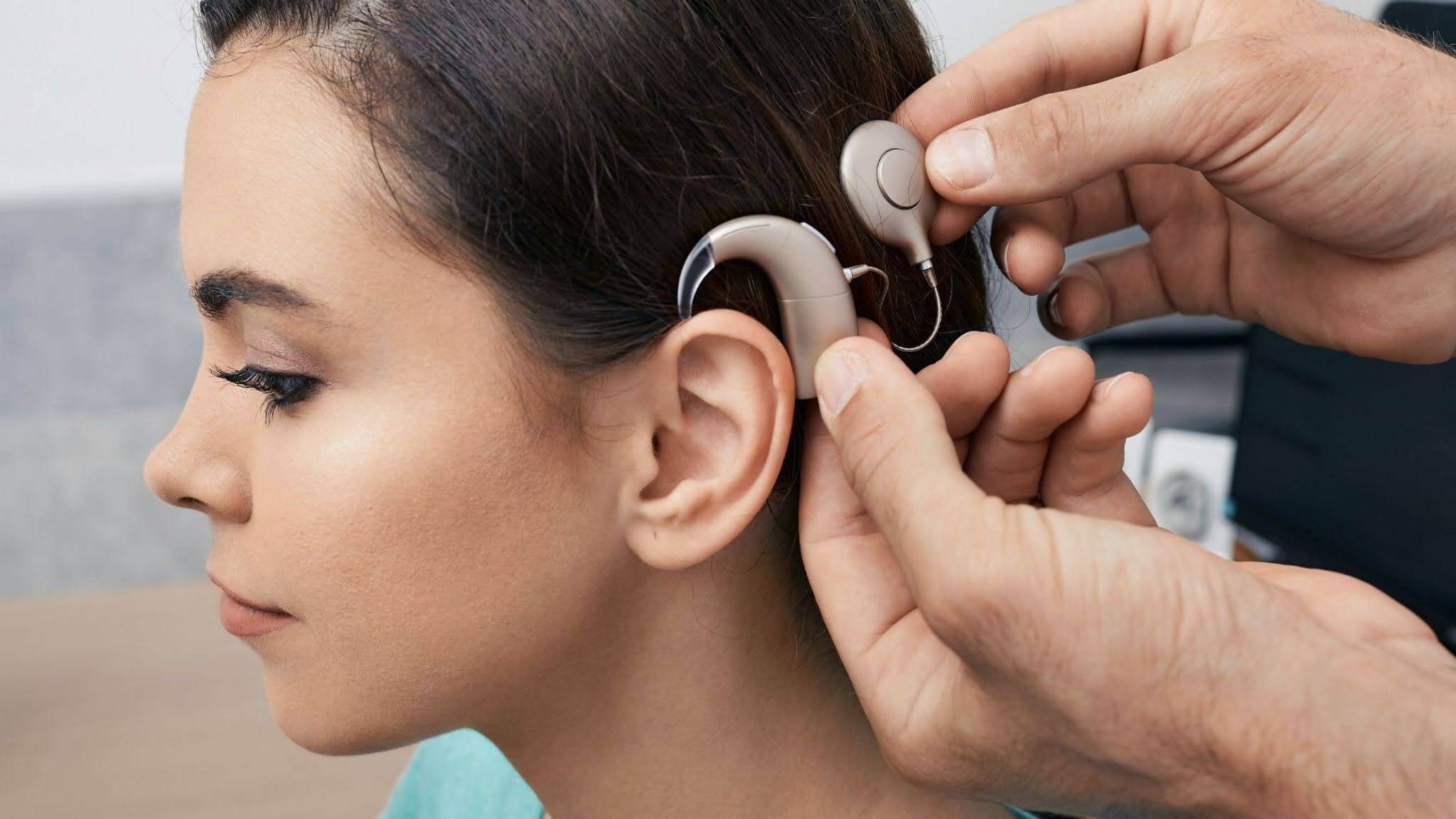
Cochlear implant (CI) audiology is one of the most technically specialized areas of the field. A cochlear implant is a surgically placed device that bypasses damaged hair cells in the cochlea and directly stimulates the auditory nerve.
It can provide access to sound for people with severe to profound sensorineural hearing loss, poor speech understanding, single sided deafness, or those who do not benefit enough from hearing aids.
Audiologists in cochlear implant programs perform candidacy evaluations to determine whether a patient meets criteria for implantation.
After surgery, they program the device (called “mapping”), monitor progress, and guide auditory rehabilitation to help patients adapt to sound.
This specialization also includes other implantable hearing devices, such as bone-anchored hearing aids (BAHA) and middle ear implants.
Common certification: The American Board of Audiology’s Cochlear Implant Specialty Certification (CISC)
Vestibular (balance) disorders
Vestibular audiologists specialize in the assessment and management of balance disorders. The inner ear plays a key role in both hearing and balance, helping the body detect motion, orientation, and spatial position. When the vestibular system is disrupted, it can lead to vertigo, chronic dizziness, unsteadiness, and increased fall risk.
Evaluation involves specialized testing such as videonystagmography (VNG), rotary chair testing, vestibular evoked myogenic potentials (VEMP), and computerized posturography to assess balance function.
Interpreting these results is something that Au.D. programs cover in depth, but complex vestibular cases demand knowledge that can only come from immersive post-doctoral training.
Insight from an audiologist
Dr. Jessica Hinson, Au.D.
“Au.D. grads are trained to perform these tests, but developing the ability to interpret the results efficiently and build a treatment plan comes with experience and strong mentorship.”
Vestibular audiologists often work with physical therapists and ENTs to manage conditions like Ménière’s disease, vestibular neuritis, and other balance disorders.
Common certification: Vestibular Audiology Specialty Certification (VASC)
Tinnitus and sound sensitivity disorders
Tinnitus — the perception of sound without an external source — affects an estimated 10 to 25% of U.S. adults. For some, it can significantly affect sleep, concentration, and overall quality of life.
Audiologists who specialize in tinnitus offer expertise beyond general clinical care. While tinnitus does not have a cure and can occur without hearing loss, it can often be effectively managed.
Care typically includes comprehensive evaluation, counseling approaches such as tinnitus retraining therapy (TRT) and cognitive behavioral therapy (CBT), sound therapy, and, in some cases, hearing aids with noise-masking.
They also treat sound sensitivity conditions such as hyperacusis, which can occur alongside tinnitus and be equally disruptive.
Tinnitus specialists combine evidence-based treatment with experience managing the emotional and psychological impact of a condition that is often invisible and misunderstood.
Common certification: Certificate Holder—Tinnitus Management (CH-TM)
Auditory processing disorders
Central auditory processing disorder (APD or CAPD) is a condition where hearing sensitivity is normal, but the brain has difficulty processing sound accurately and efficiently.
People with APD often struggle to follow speech in noise, process fast or complex language, or distinguish similar sounds
Evaluation requires specialized testing beyond a standard hearing exam, such as dichotic listening, temporal processing, and auditory pattern recognition tasks.
Audiologists trained in APD evaluate results and distinguish it from conditions with similar symptoms, such as ADHD, language disorders, or hearing loss.
They also develop management plans which may include classroom modifications, auditory training, assistive listening devices, and collaboration with educators and therapists.
Common training: Treat APD Master Course from the Auditory Processing Institute
Geriatric audiology
Age-related hearing loss affects an estimated one in three adults over 65 and about half of those over 75 — and as the population ages, geriatric audiology is becoming an increasingly important public health focus that extends far beyond fitting hearing aids.
Older adults often have additional factors that affect hearing care, including other health conditions, increased fall risk, and social isolation. Research also shows that untreated hearing loss is associated with faster cognitive decline, making early evaluation and treatment especially important for long-term brain health.
Audiologists who focus on older adults use modified testing approaches, provide counseling that involves both patients and caregivers, and work closely with providers such as geriatricians, neurologists, and therapists.
Common training: Graduate school and continuing education courses focused on geriatric care
Educational audiology
Educational audiologists work within school systems to help children with hearing loss access the sound they need to learn and communicate effectively.
Federal laws, including the Individuals with Disabilities Education Act (IDEA), guide how students with hearing loss are evaluated and supported, requiring audiologists to understand both clinical care and educational policy.
Their work includes hearing screenings, diagnostic evaluations, recommendations for classroom acoustics and assistive listening devices, participation in Individualized Education Program (IEP) teams, and ongoing monitoring of students with hearing loss.
Educational audiologists often support multiple schools, making organization and collaboration with teachers and specialists essential.
Common certification: Certificate Holder—Educational Audiology (CH-EdAud)
Industrial audiology and occupational hearing loss
Industrial audiology focuses on protecting hearing in noisy workplaces such as manufacturing, construction, aviation, and mining.
Audiologists in these settings conduct baseline and ongoing hearing tests, evaluate workplace noise levels, recommend hearing protection strategies, and help employers meet OSHA hearing conservation requirements.
Similar principles apply in military and Veterans Affairs (VA) settings, where audiologists manage shooter’s ear, and other noise-related hearing loss, and support long-term hearing care for service members and veterans.
Preventing noise-induced hearing loss is the primary goal of this work.
Common certification: Certified Occupational Hearing Conservationist (COHC)
Intraoperative monitoring (IONM)
Some audiologists work in operating rooms, providing intraoperative neurophysiological monitoring (IONM) during surgeries that involve the auditory or facial nerves. These procedures may include tumor removal, cochlear implant surgery, or brainstem operations.
During surgery, the audiologist monitors nerve activity in real time and alerts the surgical team if changes suggest potential damage.
This subspecialty requires advanced technical knowledge of electrophysiological recording and the ability to work in a fast-paced surgical environment.
Common certification: Certified Neurophysiological Intraoperative Monitor (CNIM)
Forensic audiology
Forensic audiology involves applying audiology expertise in legal and occupational settings, often related to hearing loss claims and disability evaluations.
Audiologists working in this area may serve as expert witnesses in cases involving noise-induced hearing loss, workplace exposure, personal injury, or disability determination. Their role is to evaluate hearing test data, review medical and occupational histories, and provide objective opinions based on clinical evidence.
This work often requires distinguishing between different causes of hearing loss — such as age-related changes, occupational noise exposure, or other medical factors — in a legal context.
Forensic audiologists may also perform independent medical evaluations (IMEs), analyze historical audiograms, and prepare reports used in litigation or compensation cases.
Because this work intersects with legal standards and documentation requirements, it requires strong clinical expertise, attention to detail, and experience interpreting complex case histories.
Common training: Expert witness training courses, such as those with SEAK, Inc., and obtaining the COHC
From an audiologist: how specialization shows up in real patient care
Here is what Dr. Jessica Hinson, Au.D., has to say:
“Because the field of audiology is so broad, it is rare for a single clinic to offer specialty care in every area. There are entire clinics dedicated entirely to tinnitus evaluation and treatment, travelling positions focused on supporting cochlear implant surgeries, and balance centers offering 10 or more unique vestibular tests to arrive at a single diagnosis.
These specialty settings allow audiologists to develop deeper expertise in a specific area, which can improve patient outcomes.
I have spent the majority of my career in ENT clinics, often the first stop in a patient’s hearing and balance journey. In this role, I frequently triaged patient needs and referred to specialists accordingly.
While I specialize in pediatric hearing testing and hearing aid technology, an important part of my job is staying current on research and understanding the services available at local specialty clinics. This helps ensure that patients receive care tailored to their individual needs based on the initial testing we perform.
One day, I might perform a balance evaluation to diagnose an inner ear disorder and refer the patient to a specialized balance center for further testing and treatment planning. The next day I may identify a patient as a cochlear implant candidate and refer them to a cochlear implant audiologist for device activation and programming.”
Why audiology specializations matter
These specializations reflect how audiology has evolved over time. They reflect growing knowledge, advancing technology, and the need for more tailored care — all of which improve patient outcomes.
For patients, understanding these specialties can help you ask better questions and find the right care. For audiology students and early-career clinicians, it provides a clearer view of the different paths within the field.
Are there different types of audiologists?
Why specialization develops in audiology
What do general audiologists do?
Pediatric audiology
Cochlear implants specialists
Vestibular (balance) disorders
Tinnitus and sound sensitivity disorders
Auditory processing disorders
Geriatric audiology
Educational audiology
Industrial audiology and occupational hearing loss
Intraoperative monitoring (IONM)
Forensic audiology
From an audiologist: how specialization shows up in real patient care
Why audiology specializations matter


Frequently asked questions
How do I find an audiologist who specializes in a specific area?
Tools like our audiologist directory, ASHA ProFind directory, and AAA’s Find an Audiologist tool are a good place to start. Academic medical centers and university-affiliated clinics often house specialty programs in pediatric audiology, cochlear implants, and vestibular disorders. For tinnitus specialists, the American Tinnitus Association maintains a provider directory. Your general audiologist or primary care physician can also provide referrals within their professional network.
Does a specialty certification mean an audiologist is better than one without it?
Not necessarily — but it is a meaningful credential for specific conditions. Specialty certifications from the American Board of Audiology require supervised experience in a defined clinical area, examination, and ongoing continuing education. For complex or specialized conditions, seeking a provider with relevant specialty credentials is a practical and reasonable approach to finding the highest-quality care for your specific situation.
Can a general audiologist treat tinnitus?
Yes, and for many patients a general practice setting is entirely appropriate. However, for patients whose tinnitus is significantly impacting quality of life, or who have not responded to initial management, an audiologist with specific tinnitus training and experience in TRT, cognitive-behavioral frameworks, or structured sound therapy programs will typically offer a more comprehensive management approach than a generalist.
What is the difference between a cochlear implant audiologist and a hearing aid audiologist?
While both hold the Au.D., cochlear implant audiologists have developed specific expertise in CI candidacy evaluation, device programming using manufacturer-specific software, post-implant rehabilitation, and long-term outcome monitoring. CI programs typically employ audiologists who focus primarily or exclusively on this work. Hearing aid audiologists manage the full range of conventional amplification for patients who do not require, or are not candidates for, implantable devices.
Are audiology specialties covered by insurance?
Insurance coverage for audiology services varies by plan. Diagnostic testing is often covered, but coverage for devices or specialty care may differ. Cochlear implant evaluation, surgery, and programming are typically covered by insurance, including Medicare, when criteria are met. Bone-anchored hearing devices (BAHA) are also often covered when medically necessary. Auditory processing disorder (APD) testing is less consistently covered. Many pediatric hearing tests are covered when medically necessary, particularly following a failed newborn or school screening.
Because coverage varies widely, it’s important to check with your insurance provider for specific benefits.
What is the difference between a hearing specialist and an audiologist?
A “hearing specialist” is a broad, non-specific term that may refer to different professionals, including audiologists and hearing instrument specialists. An audiologist is a doctoral-level clinician trained to diagnose and manage hearing and balance disorders, while a hearing instrument specialist focuses primarily on fitting and dispensing hearing aids.